
In this guide
By age · 1–2 years
Best toys for toddlers: 1 and 2-year-olds, and how to keep them busy
Toys that keep 1 and 2-year-olds playing for longer: what to look for, how to set toys out at home, and ten maker-checked picks marked 12 months+ to 2+.
Prefer the full buying guide? Start readingUpdated
The shortlist right now
Checked on each maker's own site10 picks, youngest age marking first, not ranked.
As an Amazon Associate I earn from qualifying purchases. Le Toy Van links are affiliate links through Awin. Commission never decides what appears. How we earn
 PlanToys First Stacking Ring 5380
Stacking a toddler can do without help: three rings and a ball on a base sized for a one-year-old. The rod folds down, which PlanToys designed in as a safety precaution.
Image: © PlanToys (plantoys.com)
View on AmazonAffiliate link · Amazon UK Small Foot Wooden Building Blocks Rainbow XL 11412
Arches that stay interesting for a long time: a one-year-old stacks and knocks them down, and a two-year-old starts making tunnels for cars. Twelve arches and two balls in the set.
Image: © small foot (small-foot.de)
View on AmazonAffiliate link · Amazon UK Woodland Activity Baby Walker
Something to push across the room once they are pulling up to stand, with ten activities on the front for the moments they stop. Build it before it is given: it needs self-assembly.
Image supplied by Le Toy Van through the Awin product feed.
View at Le Toy VanAffiliate link · Le Toy Van Meadow Bees Gears & Cogs
Cause and effect a one-year-old can watch happen: move one gear and the rest follow. A small wooden board in a bee, flower and sun design, marked 12 months+.
Image supplied by Le Toy Van through the Awin product feed.
View at Le Toy VanAffiliate link · Le Toy Van Counting Wooden Numbers Shape Sorter
Fitting each piece into its own space is exactly the kind of action a toddler repeats until it is easy. Nine numbered pieces with counting dots, marked 18 months+.
Image supplied by Le Toy Van through the Awin product feed.
View at Le Toy VanAffiliate link · Le Toy Van Rainbow Wooden Xylophone
For tapping out a rhythm: metal keys on a cloud-shaped wooden frame, with a beater. Toddlers repeat a sound until they know what makes it, and this one is marked 18 months+.
Image supplied by Le Toy Van through the Awin product feed.
View at Le Toy VanAffiliate link · Le Toy Van Pull Along Hopping Bunny Rabbit
Something to pull behind them once walking is steady: a wooden rabbit with felt ears that hops as it goes. It is on a cord, so put it away at nap time and bedtime.
Image supplied by Le Toy Van through the Awin product feed.
View at Le Toy VanAffiliate link · Le Toy Van Play-Doh Super Colour Pack
Twenty pots of dough for the making part of a toddler's week, from two. A big pack lasts through many sessions at a low table, and fresh colours can come out over time. It contains wheat.
Image: Hasbro
View on AmazonAffiliate link · Amazon UK Melissa & Doug Shape Sorting Cube
Posting and tipping out, again and again: twelve rounded shapes and a cube to post them into. A two-year-old can manage it alone once they know which hole fits which shape.
Image: © Melissa & Doug (melissaanddoug.com)
View on AmazonAffiliate link · Amazon UK GT650 Iconic Cars Gift Set
Six wooden cars for the age when pretend play begins, around two. Each has its own name, from Poppy to Bertie, which gives a small story somewhere to start.
Image supplied by Le Toy Van through the Awin product feed.
View at Le Toy VanAffiliate link · Le Toy Van
Before you choose
A new toy can hold a toddler for ten minutes and then lose out to the kitchen cupboards. That is rarely a short attention span. Toddlers play by repeating an action and watching what happens, and many toys only do one thing once. This guide covers what keeps one and two-year-olds playing for longer, how to set toys out at home, and ten toys whose age marking and contents we checked on each maker's own site.
What keeps a toddler playing for longer
Toddlers learn by doing the same thing again and again: posting a shape, stacking a ring, pushing a walker across the room. A toy that lets them repeat an action and see what happens usually holds their attention far longer than one that does a single thing when a button is pressed.
Open-ended toys last longest. A set of arches can be a tunnel, a bridge or a tower to knock down, and it still works when the child is ready for something harder. If a toy needs an adult to set it off every time, it will not give you much time.
- Look for an action they can repeat and control.
- Choose toys that can be used in more than one way.
- Skip toys that need an adult to make them work every time.
- Check the manufacturer's age marking before anything else.
Toys for 1-year-olds and 2-year-olds: read the marking first
For a one-year-old, keep to toys the manufacturer marks 12 months+. In this guide that is the Woodland Activity Baby Walker, the PlanToys First Stacking Ring, the Small Foot Rainbow XL arches and the Meadow Bees Gears & Cogs board: something to walk behind, rings and arches to stack, and gears that turn together when one is turned. Our guide to toys for 1-year-olds has ten different ideas for the same year.
From 18 months, the markings add the Counting Wooden Numbers Shape Sorter, the Rainbow Wooden Xylophone and the Pull Along Hopping Bunny Rabbit. They ask for a little more control: fitting each number into its own space, tapping out a rhythm, pulling a toy along behind them.
At two, three picks marked 2+ join them: the Melissa & Doug Shape Sorting Cube, Le Toy Van's GT650 Iconic Cars Gift Set and the Play-Doh Super Colour Pack. None of the picks here is marked for babies under 12 months. For three and up, see our guide to toys for 3–5-year-olds.
The best toys for 2-year-olds in this guide
Looking for the best toys for 2-year-olds? Six of the ten picks here suit that age by their marking, three of them marked 2+ and three marked from 18 months. Two-year-olds want to do things for themselves: post a shape through the right hole, push a car along the floor, squash something soft, make a noise on purpose. The toys that work best at this age are the ones that hand them that control and let them do it again. For ten more, all marked 2+ or younger, see our toys for 2-year-olds.
Three are marked 2+. The Melissa & Doug Shape Sorting Cube has 12 chunky shapes with rounded edges, the Le Toy Van GT650 set gives them six wooden cars to line up and race, and the Play-Doh Super Colour Pack has 20 cans, so there is enough to share. Three more are marked from 18 months and still suit a two-year-old well: the Counting Wooden Numbers Shape Sorter, with nine numbered pieces, the Rainbow Wooden Xylophone and the Pull Along Hopping Bunny.
The toys marked from 12 months, such as the stacking ring and the rainbow arches, keep their place too. A two-year-old builds with the arches in ways a one-year-old cannot, so a toy bought for the first birthday often gets more use in the second year.
- Melissa & Doug Shape Sorting Cube (2+): twelve chunky shapes with rounded edges to post, then tip out and start again.
- Le Toy Van GT650 Iconic Cars Gift Set (2+): six named wooden cars for the age when little stories begin.
- Play-Doh Super Colour Pack (2+): 20 cans, so there is plenty for a long session at a low table. It contains wheat.
- Counting Wooden Numbers Shape Sorter (18 months+): nine numbered pieces, each with its own space, and dots to count underneath.
- Rainbow Wooden Xylophone (18 months+): metal keys and a beater, for the stage when banging turns into tapping.
- Pull Along Hopping Bunny Rabbit (18 months+): a wooden rabbit that hops as it follows them. It is on a cord, so put it away at nap time and bedtime.
Rotate toys rather than buying more
A toddler surrounded by every toy they own often settles with none of them. Leave four to six toys out at a time and put the rest away, and there is less to flit between.
Swap the selection every week or two. Toys that have been out of sight for a while feel new again, which costs nothing. Keep the rest somewhere they cannot see, such as a box under a bed or a cupboard, rather than on a shelf in view.
- Keep four to six toys out at a time.
- Store the rest out of sight.
- Swap on a regular day so it becomes a habit.
Cover a few kinds of play, not dozens of toys
A small mix of kinds of play goes further than a big pile of toys. One or two of each of these is plenty, and every pick in this guide fits at least one.
Pretend play often starts to show around two. A few cars, a toy cup or a small figure can be enough for a child to begin acting out little stories of their own.
- Posting, sorting and tipping out: a shape sorter or a puzzle with chunky pieces.
- Stacking and building: rings, blocks or arches.
- Moving: something to push, pull or walk behind.
- Sound: a xylophone or something else they can tap.
- Making: from two, modelling compound at a low table.
Set up a space they can use without you
Where toys live matters as much as which toys you have. In a deep toy box most toys are out of sight, so a toddler has to dig and soon gives up. Low, open shelves or shallow baskets, with every toy visible, make it more likely they will start playing on their own.
A small, defined play area, even a rug in the corner of a room, gives them somewhere to come back to. If they can see a toy, reach it and put it back, they are more likely to play while you get on with something nearby. Stay within sight and earshot: independent play at this age still needs an adult close by.
Safety checks for 1 and 2-year-olds
Age markings matter most at this age. UK safety guidance says an age restriction can reflect a hazard such as choking, so a toy marked 3+ may have small parts that are not safe for a younger child. Keep older siblings' toys out of reach, and read every warning on the packaging.
Some picks here carry their own notices. Le Toy Van states that the activity walker needs self-assembly, so build it before it is given. The hopping bunny is pulled along on a cord, so put it away at nap time and bedtime. The Play-Doh pack contains wheat. PlanToys states that the stacking ring's centre rod folds, as a safety precaution.
How these toys were chosen
The ten picks come from five makers: Le Toy Van, PlanToys, Small Foot, Melissa & Doug and Play-Doh. Each is here because we could read its age marking and contents on the maker's own site, and because it has a working purchasing route: Awin for Le Toy Van, Amazon UK for the others.
The order runs from the youngest age marking up, so the toys a one-year-old can use come first; it is not a TopTenToys ranking. No commercial relationship decides which toys are included.
Manufacturer-checked facts
Product details
Ten toys from five makers, with age markings from 12 months+ to 2+, listed youngest age marking first. Between them they cover walking, stacking, cause and effect, posting and sorting, music, pretend play and modelling. None is ranked.
Stacking
PlanToys First Stacking Ring 5380
In the box: 1 base, 3 wooden rings and 1 ball; about 6.5 x 6.5 x 12.5 cm
The manufacturer states that the centre rod folds, as a safety precaution.
- Age guidance
- 12 months+
- Brand
- PlanToys
- Model / item
- 5380
- Facts checked
Rainbow arches / building blocks
Small Foot Wooden Building Blocks Rainbow XL 11412
In the box: 12 wooden rainbow arches and 2 wooden balls; about 36 x 5 x 18 cm
- Age guidance
- 12 months+
- Brand
- Small Foot
- Model / item
- 11412
- Facts checked
First steps / activity walker
Woodland Activity Baby Walker
In the box: Wooden push-along walker with 10 activities on the front, in a woodland and rainbow design; about 33.5 x 32 x 51 cm
The manufacturer states that self-assembly is required.
- Age guidance
- 12 months+
- Brand
- Le Toy Van
- Model / item
- PL112
- Facts checked
Cause and effect / gears
Meadow Bees Gears & Cogs
In the box: Wooden board with colourful gears and cogs in a bee, flower and sun design; about 21 x 21 x 3.8 cm
- Age guidance
- 12 months+
- Brand
- Le Toy Van
- Model / item
- PL095C
- Facts checked
Wooden puzzle
Counting Wooden Numbers Shape Sorter
In the box: Base board with 9 numbered wooden pieces and counting dots; about 27.3 x 14.3 cm
- Age guidance
- 18 months+
- Brand
- Le Toy Van
- Model / item
- PL142
- Facts checked
Music
Rainbow Wooden Xylophone
In the box: Wooden xylophone with metal keys in a cloud design, and a beater; about 21.5 x 11 x 6.5 cm
- Age guidance
- 18 months+
- Brand
- Le Toy Van
- Model / item
- PL122
- Facts checked
Pull-along
Pull Along Hopping Bunny Rabbit
In the box: Wooden pull-along rabbit with felt ears that hops as it is pulled; about 13 x 8 x 15 cm
It is pulled along on a cord, so put it away at nap time and bedtime.
- Age guidance
- 18 months+
- Brand
- Le Toy Van
- Model / item
- PL146
- Facts checked
Craft / modelling
Play-Doh Super Colour Pack
In the box: 20 cans (3oz each)
Contains wheat.
- Age guidance
- 2+
- Brand
- Play-Doh
- Facts checked
Shape sorter
Melissa & Doug Shape Sorting Cube
In the box: Wooden cube with 12 chunky shapes with rounded edges
- Age guidance
- 2+
- Brand
- Melissa & Doug
- Model / item
- 575
- Facts checked
Vehicles / imaginative play
GT650 Iconic Cars Gift Set
In the box: Six wooden cars (Poppy, Marc, Coby, Dexter, Maverick and Bertie), each about 85 x 33 x 30 mm
- Age guidance
- 2+
- Brand
- Le Toy Van
- Model / item
- GT650
- Facts checked
Questions
Common questions
- What are the best toys for a 1-year-old?
- Toys the manufacturer marks 12 months+ that let them repeat an action: something to walk behind, rings or arches to stack, or gears to turn. In this guide that is the Woodland Activity Baby Walker, the PlanToys First Stacking Ring, the Small Foot Rainbow XL and the Meadow Bees Gears & Cogs. Check the packaging for the current marking.
- What are good toys for a 2-year-old?
- Three picks here carry a 2+ marking: the Melissa & Doug Shape Sorting Cube, the GT650 Iconic Cars Gift Set and the Play-Doh Super Colour Pack. Three more are marked from 18 months and still suit this age well: the Counting Wooden Numbers Shape Sorter, the Rainbow Wooden Xylophone and the Pull Along Hopping Bunny. Those six are our shortlist for a two-year-old, listed by age marking rather than ranked. Check the packaging for the current marking.
- How do I keep a toddler busy without screens?
- Leave four to six toys out on a low shelf, swap them every week or two, and choose toys with an action they can repeat. Stay within sight and earshot while they play.
- How many toys should a toddler have out at once?
- Four to six is a good place to start. A few toys, clearly set out, usually lead to longer play than a room full of choice.
- What are the best toys for 1 to 2-year-olds?
- For a toy that covers both ages, look at the picks marked 12 months+ that get used differently as the child grows. The Small Foot Rainbow XL arches are stacked and knocked down at one, then become tunnels and bridges at two. The PlanToys First Stacking Ring and the Meadow Bees Gears & Cogs board also start early and keep a place on the shelf. The Woodland Activity Baby Walker belongs to the first-steps stage, so it tends to get its use earlier than the rest.
Research
Sources checked
We use official safety guidance and manufacturer sources for specific product claims. Retailer popularity can inform discovery but does not replace these checks.
- Office for Product Safety and Standards: buying toys safelyUK guidance on age restrictions, warnings, small parts, batteries and trusted sellers.
- Toys (Safety) Regulations 2011: Great BritainOfficial guidance on toy safety requirements, warnings and instructions in Great Britain.
- Early years foundation stage (EYFS) statutory frameworkUK government framework for child development from birth to five, used here for general developmental context rather than any single product claim.
- Google Search Central: helpful, reliable, people-first contentEditorial standard used for this guide library: useful, original and clearly sourced content for readers.
Each pick's identity, age marking and contents were checked on its maker's own page:
- PlanToys: PlanToys First Stacking Ring 5380
- Small Foot: Small Foot Wooden Building Blocks Rainbow XL 11412
- Le Toy Van: Woodland Activity Baby Walker
- Le Toy Van: Meadow Bees Gears & Cogs
- Le Toy Van: Counting Wooden Numbers Shape Sorter
- Le Toy Van: Rainbow Wooden Xylophone
- Le Toy Van: Pull Along Hopping Bunny Rabbit
- Play-Doh: Play-Doh Super Colour Pack
- Melissa & Doug: Melissa & Doug Shape Sorting Cube
- Le Toy Van: GT650 Iconic Cars Gift Set
Keep exploring
Related TopTenToys guides
 Best musical toys for kids: xylophones, pianos, guitars and DJ decks by age
 Best sensory toys for kids: textures, sounds, light and messy play by age
 Best Bluey toys for kids: bath toys, Toot-Toot Drivers and games by age
 Best train toys for kids: Thomas & Friends, LEGO trains and first trains by age
 Best farm toys for kids: tractors, farmyards and horse sets by age
 Best toys for babies: from a first playmat to a teether, 0 to 12 months
 Best wooden toys: a practical UK guide to toys that last
 Best toys for 3, 4 and 5-year-olds: a practical UK guide
 How to choose an age-appropriate toy
 Best outdoor toys for kids: garden play from sandpits to trampolines
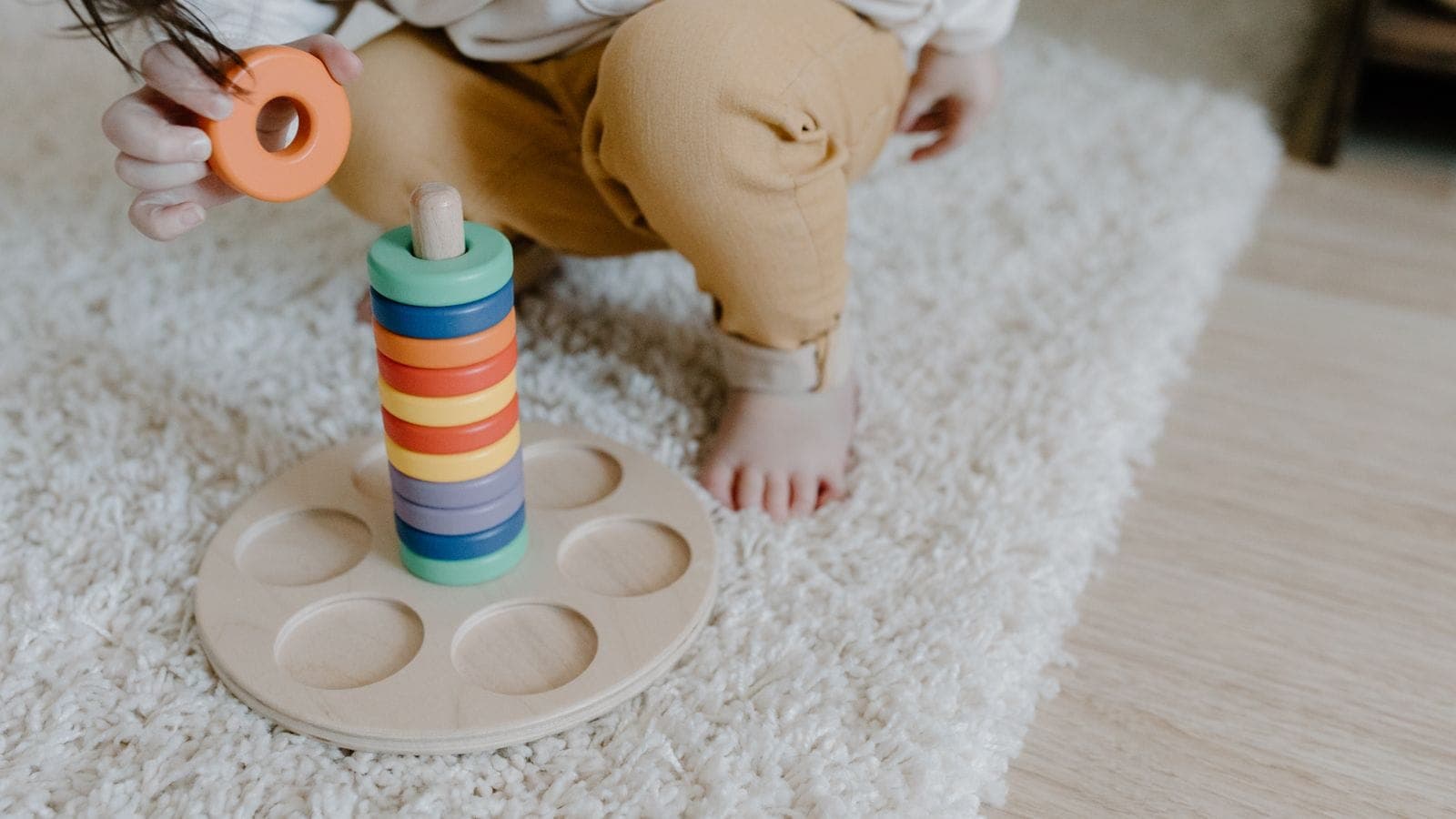 Best toys for 1-year-olds: first steps, first stacks and first songs
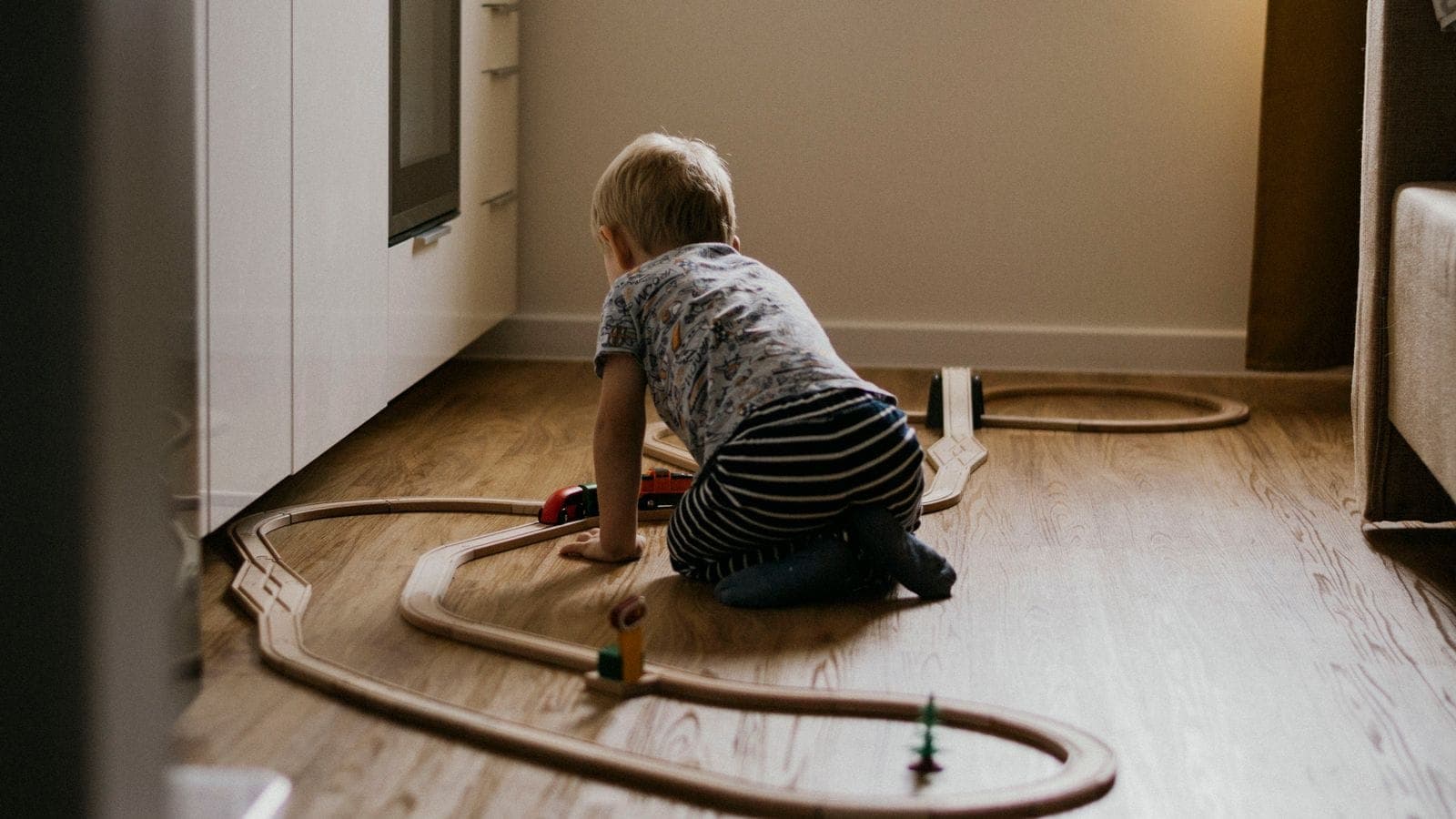 Best toys for 2-year-olds: busy hands, big feelings and lots of pretend